
…Says Oborevwori Administration Prioritises Human Capital Development
The seventh edition of the Delta State Strategic Communication Workshop, DELCOM 2026, has ended in Asaba with participants urged to put the knowledge and practical skills gained during the three-day programme to work in their various Ministries, Departments and Agencies (MDAs).
The Communication Manager, Government House, Asaba, Mr. Jackson Ekwugum, gave the charge while declaring the workshop closed on Thursday, stressing that the real impact of any capacity-building programme could only be measured by how effectively participants applied what they had learnt to their daily responsibilities.
According to him, the rapidly changing digital communication landscape has made it necessary for government communication personnel to continuously update their skills and adopt more effective ways of reaching and engaging citizens.
Ekwugum noted that DELCOM 2026 had provided participants with relevant knowledge and contemporary communication tools needed to operate effectively in an environment increasingly influenced by social media, artificial intelligence and other emerging technologies.
He challenged the participants to move beyond acquiring certificates and knowledge to demonstrating measurable improvements in their professional assignments.
“Training becomes meaningful when the knowledge acquired is translated into improved performance,” he said, urging participants to introduce innovative communication practices in their respective organisations.
The Communication Manager said the Delta State Government remained committed to developing the capacity of its workforce, describing a well-trained and professionally equipped public service as a critical component of effective governance and quality service delivery.
He commended the Director-General of the Delta State Bureau for Orientation and Communications, Dr. Fred Latimore Oghenesivbe, Esq., for sustaining and coordinating DELCOM over the past seven years.
According to him, the continued growth of the workshop was evidence of the commitment of the organisers to strengthening communication professionals across the state.
Ekwugum also acknowledged the leadership of Governor Sheriff Oborevwori, particularly for what he described as deliberate efforts toward human capital development and programmes aimed at improving the welfare and development of the people of Delta State.
Speaking on the theme of the workshop, “Digital Communication and Crisis Management: Building Trust and Credibility for Democratic Governance,” Ekwugum urged participants to make strategic use of digital platforms in carrying out their responsibilities.
He observed that government communicators could no longer rely solely on traditional methods of information dissemination, as citizens now expect quick, accurate and accessible information through multiple digital channels.
He therefore encouraged the participants to use digital communication not only for publicity but also for managing emerging crises, responding to misinformation, engaging citizens and protecting the reputation and credibility of government institutions.
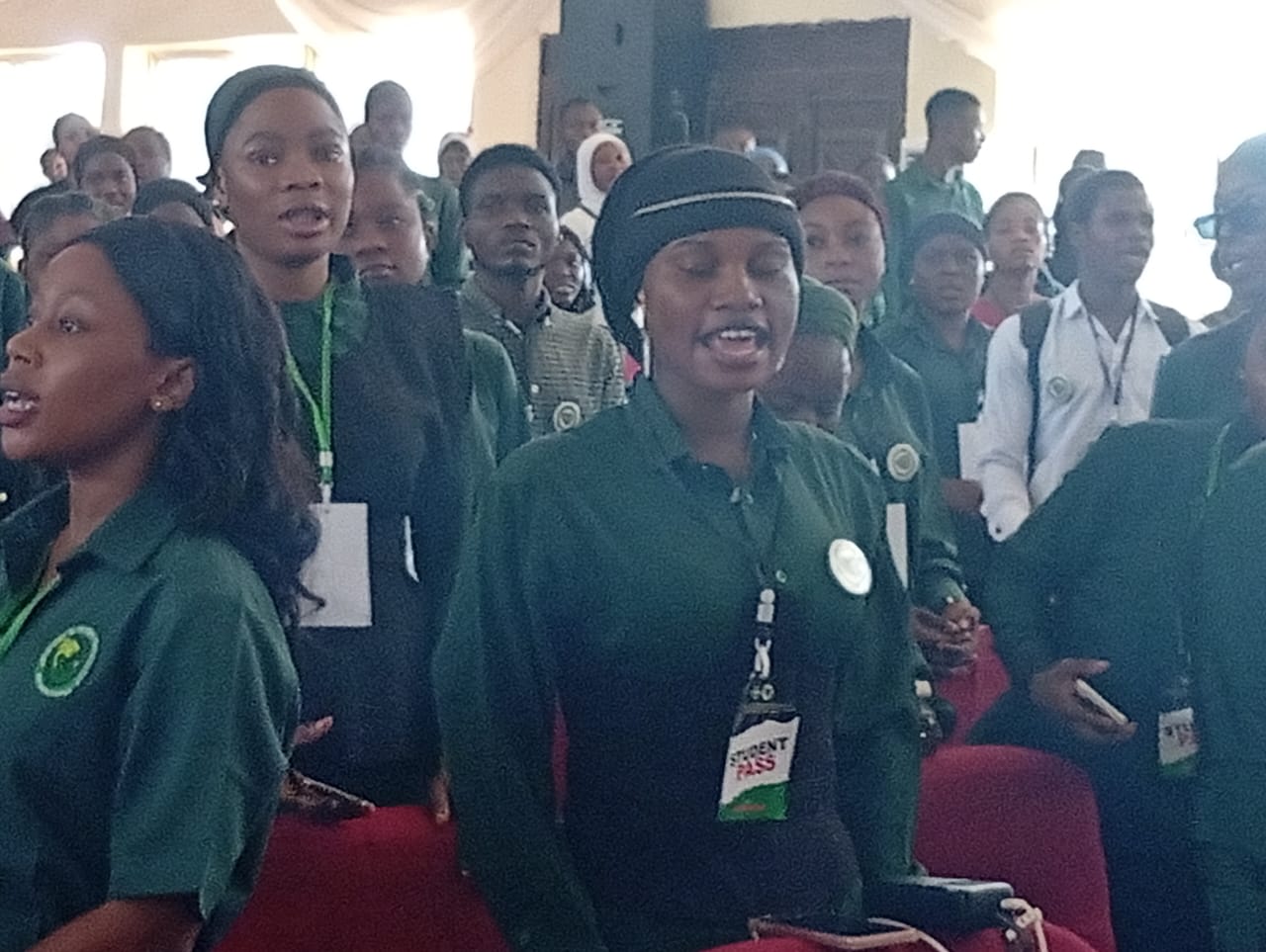
The workshop, which began on Tuesday, August 18, brought together communication officers and other stakeholders to examine emerging trends in public communication and their implications for governance.
Organised by the Delta State Bureau for Orientation and Communications, the programme featured sessions on digital communication, crisis management, media relations, reputation management and the application of emerging technologies in government communication.
A major lesson from the workshop was the speed at which information now travels, particularly through social media and citizen journalism platforms. Participants were reminded that while digital platforms provide government with opportunities to communicate directly with citizens, they also create an environment where false or unverified information can spread rapidly.
The sessions consequently emphasised the importance of fact-checking, verification and responsible use of digital platforms before information is released to the public.
Crisis communication also featured prominently during the workshop, with facilitators stressing that the quality and timing of an organisation's response could determine whether a crisis is contained or allowed to escalate.
Participants were encouraged to ensure that their organisations have clear communication procedures, designated spokespersons and reliable channels for obtaining and releasing verified information, especially during emergencies.
The need for stronger communication coordination among MDAs was equally emphasised to prevent conflicting statements and ensure that government speaks with clarity and consistency on sensitive issues.
The workshop further examined the relationship between effective communication and public trust. Participants were reminded that citizens' confidence in government is strengthened when official information is accurate, transparent, consistent and responsive to public concerns.
The sessions also highlighted the changing responsibilities of government communicators, who must now combine traditional media skills with knowledge of digital platforms, audience behaviour, emerging media trends, crisis response and strategic message development.
Participants were equally reminded of the importance of professional ethics, particularly in an era where the pressure to publish information quickly can sometimes come at the expense of accuracy and proper verification.
Reflecting on the seven-year journey of DELCOM, Ekwugum said the sustained organisation of the programme demonstrated the importance attached to continuous professional development within the state public service.
He urged participants to share useful lessons from the workshop with their colleagues and ensure that the knowledge gained translates into better communication practices, faster and more coordinated responses to crises, improved public engagement and stronger relationships between government and citizens.
He said the ultimate success of DELCOM 2026 would not be determined by the number of participants trained, but by the positive changes the participants would introduce into their respective organisations after returning to their duty posts.


💬 Discussion